
The Journey of a Fake Luxury Handbag
페이지 정보

본문
The hidden path of a fake luxury accessory begins long before it reaches a customer's hands. It starts with design inspiration often drawn from high-end luxury brands that set trends in fashion. Designers of replica manufacturers study the latest collections, paying close attention to textures, sewing methods, fittings, and silhouette profile. They aim to replicate not just the look but also the feel of the original, even if they cannot access the authentic leathers and textiles.
Once the design is finalized, supplies are gathered. Materials like synthetic leather, faux canvas, metal hardware, and lining fabrics are procured from suppliers who specialize in cost-effective alternatives. The level of fidelity differs significantly between workshops. Others craft approximations that resemble real leather, while others opt for cheaper substitutes that may peel or fade over time. The metal accents like buckles, tags, and brand insignias is usually mass-produced in factories that also supply non-luxury sectors, and may not match the precise dimensions and finishes of originals.
Production takes place in workshops, often in regions where enforcement is weak and working conditions are unregulated. Workers assemble each bag component by component, following templates and instructions. Craftsmen with experience focus on fine handwork, while others perform repetitive tasks like attaching straps or sewing linings. Quality control is inconsistent. Some replica producers enforce strict standards to ensure durability and appearance, while others prioritize speed and volume, leading to noticeable errors including loose threads or misprinted labels.
After production, the bags are packaged and shipped. They may be sold directly through digital storefronts, TikTok vendors, or boutique resellers. Packaging often mimics the authentic brand’s presentation, including protective cloth covers, authentication tags, and branded cartons. Buyers may receive their bags as soon as 24 hours to several weeks, depending on logistics chains and border inspections.
Once in the hands of the consumer, the replica bag enters its functional stage. Many users treat these items as affordable alternatives for occasional wear, not expecting them to last years. With careful maintenance: limiting exposure to water, using proper storage, and mild cleaning, a high-quality counterfeit can endure multiple years. However, low-tier imitations degrade rapidly: cracking surfaces, washed-out hues, or snapped zippers. Unlike genuine designer pieces that hold or increase worth, fake bags become obsolete rapidly, 高仿包包 especially as trends change or counterfeit detection tools become more widespread.
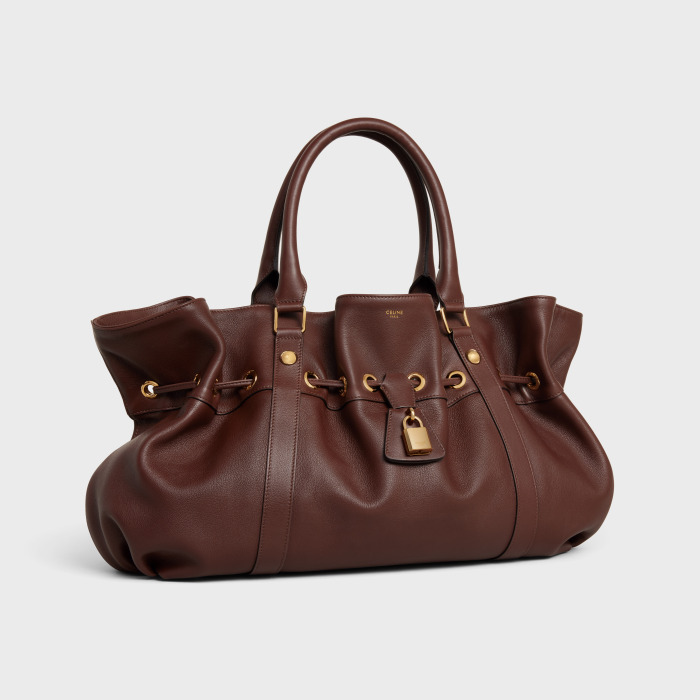
Eventually, the replica bag reaches its conclusion. It may be disposed of after tearing, losing appeal, or ethical regret. Some are donated to thrift stores, while others are incinerated or buried. The lifecycle closes with environmental and ethical consequences, as plastic-based fabrics persist for centuries and the manufacturing relies on toxic chemicals and unfair wages.
Understanding this lifecycle helps consumers make more informed choices. While replica bags offer the allure of luxury design at low cost, they come with deeper consequences beyond the purchase price. Understanding the true impact of counterfeit goods can lead to ethical shopping habits, whether that means investing in quality authentic pieces, choosing ethical sustainable brands, or simply rethinking the need for imitation altogether.
- 이전글Navigating Refund Rules for Imitation Goods 26.04.14
- 다음글A Complete 2026 Guide for แทงบอลมือใหม่ to Start Winning Today 26.04.14
댓글목록
등록된 댓글이 없습니다.